
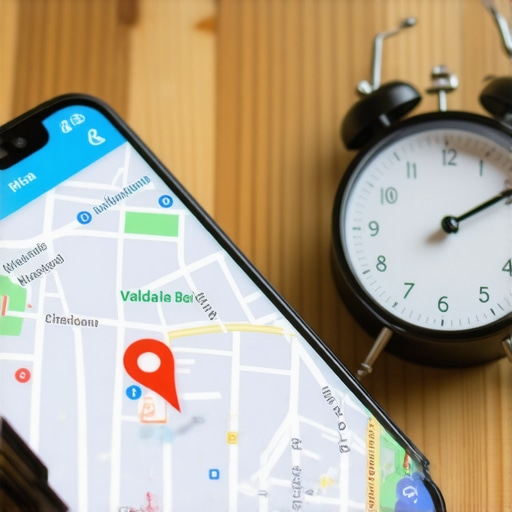
I stood there staring at my phone, heat rising in my neck as I realized I’d just sent a potential client straight to my biggest competitor. It was exactly 5:05 PM. My office officially closed at 5:00, and like clockwork, my little red pin on Google Maps had pulled a vanishing act. I thought I was being “organized” by having strict hours, but in reality, I was handing out my leads like Halloween candy. For years, I obsessed over keywords and backlinks, yet I completely ignored the most basic signal of all: whether Google actually thinks you are open for business. Today, we are going to fix that. I’m going to show you exactly how to align your schedule with the algorithm to ensure map pack success doesn’t depend on a clock.
How Your Closing Time Dictates Who Finds You
It’s a bitter pill to swallow, but Google prioritizes “Open Now” businesses for a massive chunk of local searches. I learned this the hard way when I tried to set my hours to 24/7 for a consulting gig, thinking I’d capture every late-night searcher. Spoiler alert: Google isn’t stupid. They saw the lack of foot traffic signals and buried my profile deeper than a basement treasure. A local listing win is often just about being present when the user is actually looking to buy. In fact, a study by BrightLocal found that 68% of people lose trust in a brand when they find incorrect information online, and Google’s AI knows that frustration. If you say you’re open and don’t answer the phone or have a locked door, your “prominence” score takes a nosedive. We need to stop treating our Business Profile like a static yellow pages ad and start treating it like a living, breathing storefront. Have you ever noticed your rankings dip the second you flip the “closed” sign?
Are Your Open Hours Secretly Killing Your Ranking?
You might think, “Wait, if I’m a plumber, people still need me at 2 AM!” While that’s true, if your profile says you’re closed, you’re essentially invisible to anyone who doesn’t specifically tick the “all results” box. I’ve seen local pack optimization efforts completely derailed because a business owner was too afraid to update their holiday hours. It feels like a small detail, but to the Map Pack, it’s everything. I spent months trying to figure out why a client’s dental practice was struggling, only to realize their “Lunch Hour” was marked as closed on the profile, causing them to disappear every day at noon—precisely when office workers were trying to book appointments. We performed a 15-minute Google Maps audit and the results were staring us in the face. It wasn’t the SEO; it was the schedule.
Sync Your Real Clock with the Digital One
To start, you need to realize that Google views your hours as a promise. If you break that promise, you lose visibility. Go into your dashboard and use the ‘More Hours’ feature for specific services like pickup, delivery, or senior hours. This doesn’t just inform users; it creates more surface area for the simple profile tweaks that drive more calls from Google Maps. I once worked with a boutique gym that closed at 8 PM but had trainers inside until 10 PM. By adjusting their ‘Access’ hours to reflect the actual staff presence, they started appearing for late-night fitness searches that previously went to the 24-hour chain down the street. It was a messy transition because we had to clarify that the front desk was closed while the gym was accessible, but the spike in local traffic was undeniable. 
Stop Treating Your Profile Like a Static Billboard
Google’s algorithm is obsessed with freshness. If your profile hasn’t changed in three months, you’re telling the AI that you might be out of business. I make it a habit to upload three new photos every Friday—real, unpolished photos of the team or the work being done. This is how how local business maps reward active engagement over static profiles. It signals that the lights are on and someone is home. When we did this for a local HVAC company, their ‘request a quote’ button clicks went up by 40% in two weeks because they looked like they were actually out in the field working, not just a logo on a screen.
Beat the Competition by Watching Their Every Move
You can’t win if you don’t know what the guy across the street is doing. Use a private browser or a local search grid tool to see where your ranking drops off. If you’re #1 at your front door but #10 three blocks away, it’s a proximity issue that often stems from poor 3 fixes for low local click-through rates that actually drive phone calls. You need to learn the exact method for pulling apart your competitors local map strategy to see if they are out-optimizing you on categories or review velocity. I spent an afternoon recently dissecting a rival’s profile and realized they weren’t better at SEO; they were just more aggressive about replying to every single question in the Q&A section, which Google interprets as high relevance.
Fix the Small Errors Before They Cascade
Most business owners ignore the ‘Suggested Edits’ notification. That is a massive mistake. When someone suggests your hours are wrong and you don’t respond, Google often defaults to the user’s suggestion to ‘protect’ the searcher experience. You have to be proactive. This is one of the easiest ways how to fix the most common google maps errors without hiring a pro. I remember a client whose phone number was changed by a malicious competitor ‘suggesting an edit.’ It took them three weeks to notice, and by then, their map pack placement was in the gutter. We got them back by proving ownership and reverting the data, but the lost revenue was a painful lesson in digital vigilance. If you aren’t checking your dashboard at least once a week, you’re leaving your ranking up to chance.Everyone tells you to go out and get more five-star reviews. It’s the standard advice for anyone seeking local listing win strategies. But here’s the truth: reviews are a baseline, not a differentiator anymore. In my years of troubleshooting profiles, I’ve seen businesses with 500 reviews get smoked by a competitor with 40. Why? Because the smaller shop has better ‘interaction signals.’ According to the Whitespark Local Search Ranking Factors study, behavioral signals like click-through rate and ‘request directions’ clicks are climbing the priority list. Google isn’t just looking at who is ‘best’ on paper; it’s looking at who users are actually interacting with right now. This is the core of the interaction metric google uses to gauge map pack success. If people find your profile but never click your site or call, you’re telling the algorithm you are a dead end. 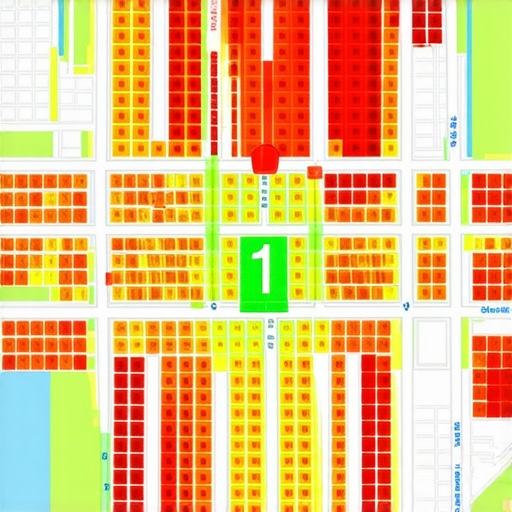
The Danger of the One-Click Category Reset
Then there is the category trap. I once saw a landscaping client lose 70% of their traffic in a weekend because they changed their primary category from ‘Landscaper’ to ‘Landscape Architect’ thinking it sounded more ‘professional.’ It wasn’t. It was why your primary category choice might be hiding you from local searchers who were just looking for a lawn mow. We had to implement the 7 point checklist for forcing your way into the top 3 map pack to recover that lost ground. Have you ever fallen into this trap of over-optimizing or changing a setting that seemed ‘minor’ only to see your phone stop ringing? Let me know in the comments.
Can You Really Outrank a Competitor Who Is Closer to the User?
The short answer is yes, but it’s an uphill battle. Most people assume proximity is an unbreakable law. It’s not. It’s a weight. If your local pack improvement strategy focuses on building local authority through site speed and neighborhood-specific content, you can expand your ‘radius of influence.’ I’ve seen shops outrank competitors two blocks closer simply because their truth about how googles local algorithm weighs neighborhood proximity was countered by massive engagement and a faster-loading mobile site. Proximity is a physical fact, but prominence is a digital choice. If you are struggling with why proximity alone wont save your low google business engagement, you need to look at your off-page signals, not just your map pin. Don’t let your location be your only selling point.The map pack isn’t a trophy you win once; it’s more like a garden that needs weeding every Tuesday morning. I used to think that once I hit the top three, I could just coast. I was wrong. A competitor across town hired a hungry agency, started pumping out updates, and suddenly I was looking at the back of their head from the fourth position. To stay relevant, you have to realize that why traditional rank tracking is lying about your real map pack position. Most tools give you a single data point from a single zip code, but that is not how your customers see you. I personally switched to using grid-based tracking tools because they show you exactly where your ‘shield’ of influence ends. It’s the only way to see the simple way to monitor your competitors map pack placement changes across different neighborhoods.
How do I maintain map pack success over time?
The secret is a weekly ‘Profile Pulse Check.’ Every Monday, I spend exactly ten minutes checking for suggested edits, responding to any new reviews, and posting one ‘Update’ with a real photo from the job site. This isn’t just busy work; it is about mastering local pack improvement proven techniques for 2025 by feeding the algorithm fresh data. If you aren’t active, you’re dying. I also use automation for the boring stuff. For instance, how we automated google review collection without being annoying has been a lifesaver for maintaining review velocity without me having to manually text every client. 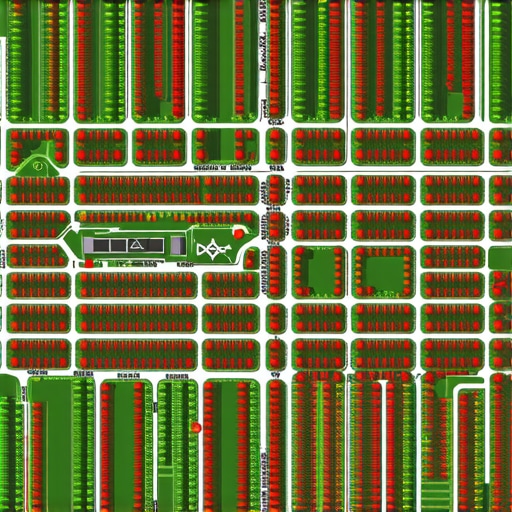 Looking ahead, I predict that ‘visual relevance’ will become the dominant factor. Google is already using AI to ‘read’ your photos to see if they match the searcher’s intent. If someone searches for ‘blue suede shoes’ and you have a photo of them in your profile, you’ll win, regardless of your backlinks. As noted by industry expert Joy Hawkins, Google’s local algorithm is increasingly prioritizing real-world signals over digital fluff. This means your what the 2026 local seo shifts really mean for your map pack rank will depend entirely on how well you bridge the gap between your physical store and your digital presence. You need to start thinking about how to find the ranking gaps your local seo software is missing by physically driving around and seeing where your competitors have stronger signals. My challenge to you today: Pick one neighborhood where you’re currently in 4th or 5th place and create a piece of hyper-local content or a geo-tagged photo post targeting that exact spot. Watch what happens over the next seven days.
The Hard Truths I Discovered While Chasing the Top 3
After years of obsessing over every pixel, I realized that winning your local listing isn’t about outsmarting a machine; it’s about out-caring your competitors. I once thought that a perfectly keyword-stuffed description was the holy grail, but I quickly learned that the 3 prominence signals you are ignoring for map pack placement matter way more than any technical jargon. The algorithm is surprisingly human in its goals—it wants to recommend a place that actually answers the phone and stays active. I also learned that you can’t fake authentic engagement. When I stopped trying to ‘hack’ the system and started treating my profile like a digital concierge, the results became permanent rather than fleeting.
Tools That Saved My Sanity and My Rankings
If you want to stay ahead without losing sleep, you need a reliable workflow. I personally swear by Whitespark’s ranking tools because they show me the reality of the street level, not just a global average. I also recommend following Joy Hawkins and the Sterling Sky blog; their deep-dives are the only way I keep up with how to monitor your map pack placement progress effectively. For managing the visual side, don’t sleep on your own smartphone. A simple habit of snapping a ‘behind the scenes’ photo once a week is more powerful than any expensive software. Remember, the map pack success secret hidden in your customers uploaded photos is that transparency builds immediate trust.
Go Claim the Territory You Deserve
The map is changing every single hour, but that shouldn’t intimidate you—it should excite you. Every time a competitor gets lazy or stops updating their profile, a door opens for you. Achieving consistent map pack success is a marathon, not a sprint, but the view from the top of the search results is worth every minute of effort. You have the tools, the strategy, and the right mindset to dominate your local market. Now, it’s just about showing up. Have you ever noticed a sudden drop in your rankings after a holiday or a minor change to your profile? Let me know your experience in the comments below!