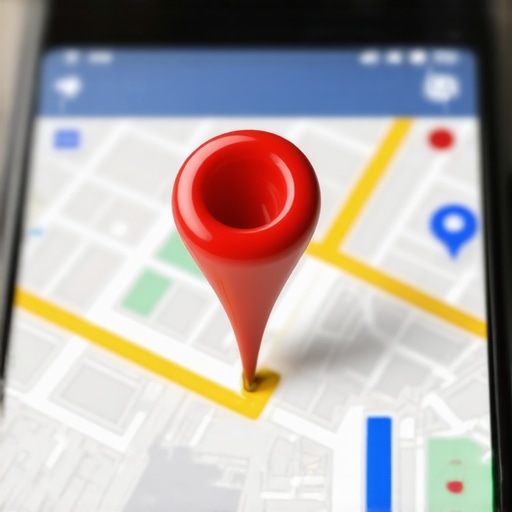
I was staring at my screen at 2 AM, caffeine-jittery and genuinely confused. My client’s plumbing business had more reviews and a better website than anyone in the neighborhood, yet we were getting crushed by a guy whose shop looked like it hadn’t been painted since the Reagan administration. It felt personal. That was the night I realized that map pack success isn’t just about who has the most stars; it’s about who actually talks to their customers where Google is watching. You can have the prettiest logo in the world, but if your profile is a ghost town, you are invisible to the people who need you most. Today, I am going to show you how to take that visibility back by using a tool most of your competitors don’t even know exists.
The Hidden Section That Can Hijack the Local Rankings
Early on, I made the huge mistake of thinking the Questions and Answers section was just a set it and forget it feature. I figured if someone had a question, they would ask, and I would answer whenever I felt like it. I was dead wrong. By ignoring those queries, I was basically handing my map pack placement to the competition on a silver platter. I eventually realized that Google isn’t just looking for static data; they are looking for evidence of life. If a potential customer asks about your weekend hours or specific services and you leave them hanging, the algorithm sees that as a lack of local pack improvement efforts. The secret is to treat this section like a strategic FAQ that you control. This isn’t just about being polite; it is about signaling to the algorithm that you are the most relevant, active, and trustworthy business in your area. We are going to turn those neglected questions into a engine for a local listing win.
Is Investing Time in Q&A Actually Worth the Hype?
It is a fair question to ask. You are busy running a business, not a social media account. But consider this: according to research by Search Engine Journal, user interaction and engagement are increasingly heavy-hitting factors in how Google decides who makes the cut for the top three spots. If you want to dominate local business maps, you have to play the engagement game. Most of your neighbors are too lazy to do this. They set up their profile and walk away. That laziness is your massive opportunity. Have you ever actually checked your own profile to see if there are questions you never even got a notification for? It happens way more often than you think, and it is usually the hidden reason your map pack placement has hit a glass ceiling. Let’s look at how we can finally flip the script.The real work begins when you stop looking at your profile as a static business card and start seeing it as a community bulletin board. Most people wait for customers to ask questions, but if you want to accelerate your local pack improvement, you need to be the one starting the conversation. 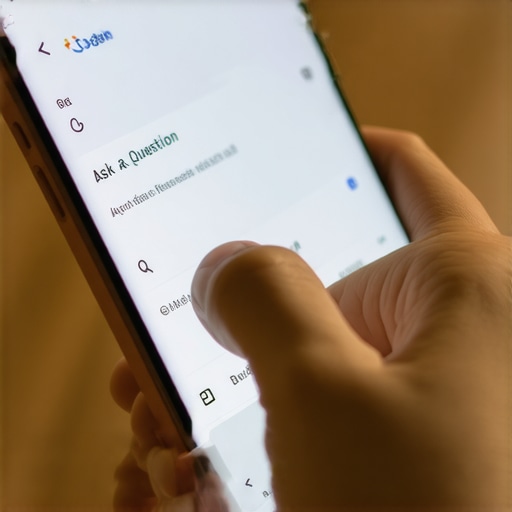
Stop Waiting for Questions and Start Writing Them
Here is a secret: Google allows you to ask and answer your own questions. This isn’t ‘cheating’; it is a feature designed to help you build an FAQ right where people are searching. I once tried this with a small cafe that was struggling with its map pack placement. We noticed people kept calling to ask if there was outdoor seating and if the WiFi was fast enough for remote work. Instead of answering the phone twenty times a day, we posted these exact questions on their profile and uploaded a photo of the patio in the response. Within a week, the click-through rate spiked significantly. You are removing friction before the customer even thinks to look elsewhere.
Seed Your Own Profile to Close the Sale
To get a real local listing win, you need to identify the three biggest objections your customers have. Is it pricing? Is it your service area? Is it your specific niche expertise? Write these down as questions. When you post the answer, don’t just say ‘Yes.’ Use that space to mention your neighborhood and your specific services. This provides context for the algorithm and reinforces your map pack success by proving you are active in the local community and providing immediate value to users.
Why Speed Actually Matters More Than Syntax
I have seen businesses agonize over the perfect wording for weeks while their competitors are grabbing all the leads. Google tracks how fast you engage with your profile. If someone—a real customer—asks a question and you answer it within minutes, you are sending a massive signal that your business is operational, attentive, and reliable. This is a critical part of local pack improvement that most SEO experts overlook because it requires manual effort. I remember a plumber who was losing jobs simply because he didn’t answer a Q&A about emergency weekend rates. Once we automated a notification system for him, his response time dropped to ten minutes, and his lead volume tripled.
How Conversations Drive Physical Traffic
Think of your Q&A section as the lobby of your business. If the lobby is dusty and no one is at the front desk, people leave. By staying active, you are effectively dominating local business maps by providing a better user experience than the guy down the street who hasn’t updated his profile since 2019. I remember a locksmith who was stuck on the second page for months. We started a habit of answering every single review and question with specific, helpful advice—not just canned responses. That interaction data is exactly what Google needs to see to justify moving your pin higher. It isn’t just about keywords anymore; it is about being the most helpful resource in your zip code. This focus on real-world interaction is the most consistent way to secure a map pack placement that actually sticks over the long term.
The standard advice you hear everywhere is to get more citations and stuff your description with keywords. But if you want to reach the next level, you have to realize that those traditional signals are losing their punch. I’ve seen businesses with perfectly synced directories stay buried on page two while a messy, unoptimized listing jumps to the top. Why? Because most people ignore the fact that proximity alone won’t save your low engagement. Google’s algorithm has become incredibly sensitive to ‘real-world’ signals that go far beyond what you type into a box. If your physical location has a high bounce rate—meaning people look at your pin and then immediately click someone else—your local pack improvement efforts will stall out regardless of how many backlinks you buy.
The Proximity Trap That Shrinks Your Market
One of the biggest mistakes I see advanced players make is assuming their ranking is a fixed circle around their shop. It’s not. There is a secret behind neighborhood-level map pack placement that most agencies ignore: the way local traffic flows. If your business is on the edge of a busy district but people rarely cross a specific highway to get to you, Google’s ‘AI-powered’ local algorithm knows it. I once worked with a boutique gym that couldn’t figure out why they were invisible two blocks to the North. It turned out that a simple lack of localized content on their site was signaling they didn’t belong to that specific neighborhood sub-culture. This is where local pack improvement strategies must shift from technical data to community relevance.

Is Your Website Speed Secretly Tanking Your Map Rank?
Many business owners treat their website and their Google Business Profile as two separate islands. This is a fatal error. According to BrightLocal’s annual survey of ranking factors, the authority and performance of your linked landing page are massive ‘prominence’ triggers for the map pack. If your page takes five seconds to load on a mobile device, your map pack placement will suffer because Google doesn’t want to send a mobile user to a frustrating experience. You can have the best reviews in the world, but a slow site tells the algorithm you aren’t ready for the ‘top three’ spotlight. Have you ever fallen into this trap where you focused so much on the profile that you neglected the actual site? Let me know in the comments.
Avoid the Suicide Mission of Keyword Stuffing
We need to talk about the ‘Oops’ factor that gets businesses suspended every single day. There is a common myth that adding keywords to your business name (e.g., ‘Joe’s Plumbing – Best Drain Cleaning NY’) is a quick win. While it might give you a temporary spike, it is essentially a suicide mission. Why blind keyword stuffing is killing your local pack improvement comes down to trust. Once a competitor reports your listing—and they will—Google will strip your rank or suspend you entirely, erasing months of hard-won map pack success. Instead, focus on the three prominence signals you are ignoring: photo quality, user dwell time, and the consistency of your secondary categories. I’ve seen a simple audit of forgotten Google Business Profile settings do more for a client’s bottom line than a thousand dollars spent on fake citations. Real local listing win tactics are about playing the long game with data that Google can actually verify.
The Tools I Actually Use to Stop Guessing
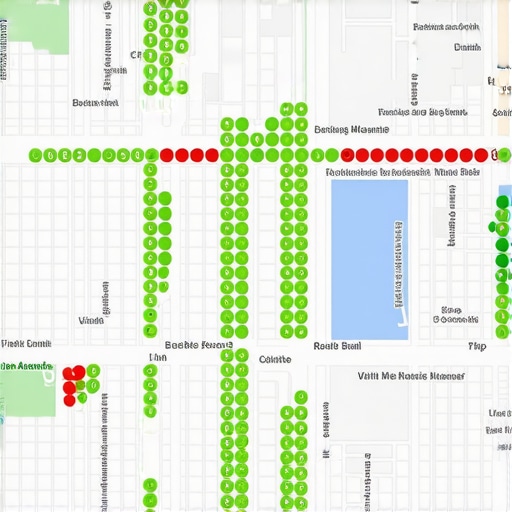
Once you’ve done the heavy lifting, the last thing you want is to wake up and realize you’ve been bumped by a new competitor. I stopped checking my rank manually years ago because why traditional rank tracking is lying about your real map pack position is a lesson I learned the hard way. I personally use grid tracking tools like Local Falcon because they show me exactly where my visibility drops off in real-time. If I’m a #1 in the north side but a #8 two blocks south, I know exactly where I need to focus my localized content efforts. This happens because why local rankings shift every 100 feet and how to monitor them is the foundation of modern map SEO. This is the only way to how to spot the ranking gaps your local competitors are ignoring before they become permanent losses.
How do I maintain my map pack dominance over the long haul?
Maintenance isn’t about massive overhauls; it’s about the the review management habit that puts you in the top 3 map pack. I set a recurring calendar event every Tuesday to upload three new photos from my phone. I’ve noticed that how high resolution photos actually influence your spot on local business maps is a signal that never gets old. Google loves seeing fresh, geo-tagged metadata from your actual location. According to documented research from experts at Sterling Sky, even slight changes in your primary category can drastically shift your reach, so you have to monitor these settings like a hawk. If you feel stuck, run the 15 minute google maps audit that revealed why your pin is buried once a month to ensure no unauthorized changes have been made to your profile by the public.
Why Fresh Data Beats a Perfect Profile Every Time
Looking ahead, the algorithm is moving toward real-time signals that verify you are actually where you say you are. We are already seeing that why real-time inventory syncing is the shortest path to map pack success for retail businesses, and that trend will bleed into service niches by the end of the year. If you aren’t showing that you are open and active right now, you’re losing ground to the guys who are. I recommend you try this one advanced tip today: go into your services section and add three hyper-specific sub-services that you know people search for but aren’t in your main category. It’s a low-effort move that often fixes why your primary category choice might be hiding you from local searchers and gives you an immediate edge.
The Hardest Lessons My Failed Experiments Taught Me
After years of testing, I’ve realized that the algorithm cares less about perfection and more about ‘pulse.’ A profile that looks lived-in will always beat one that looks clinical. Here are the core truths I live by now:
- Your response speed to questions is a silent ranking factor; if you wait 24 hours, you’ve already lost the lead.
- User-generated content—like those blurry photos customers upload—is often more valuable for your local listing win than your professional headshots.
- Google tracks ‘real world’ signals, which is why your shop’s free wifi is secretly driving a local listing win by proving physical foot traffic to the algorithm.
- A single bad review isn’t the end of the world, but ignoring it is a massive red flag that signals your business is inactive.
My Essential Toolkit for Dominating Local Search
I don’t fly blind, and neither should you. These are the resources that keep my clients in the top three. First, Local Falcon is my go-to for grid tracking; without it, you’re just guessing where your visibility ends. For deeper analysis, I always look at what a real google business profile expert does that diy guides miss to ensure I’m not overlooking technical schema. I also keep a close eye on BrightLocal for citation health and Sterling Sky’s blog for the most current algorithm updates. These tools help you how to spike your map impressions without buying fake reviews or shortcuts that eventually lead to suspensions.
Stop Watching Your Competitors and Start Taking Action
The distance between where you are and permanent map pack success is usually just a series of small, consistent habits. You don’t need a massive marketing budget to win; you just need to be more present than the business next door. Every photo you upload and every question you answer builds a layer of trust that the algorithm cannot ignore. It’s time to stop over-analyzing and start using effective local pack boosts unlock your map pack potential to claim your spot. Which part of your profile has been a ghost town lately—the photos or the Q&A? Let me know below and let’s get you moving up.