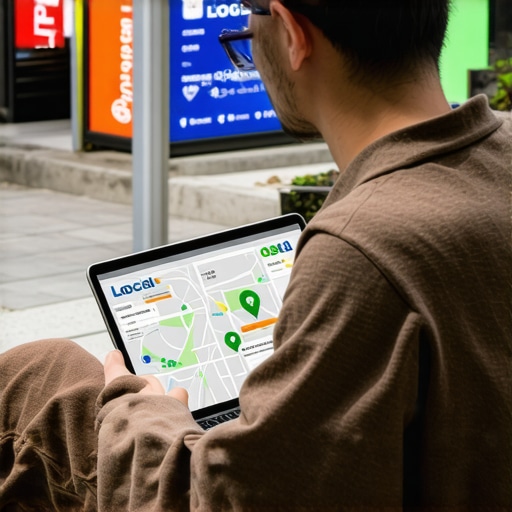
Have you ever watched your competitors climb the Google Map Pack while your listing stays stubbornly in the shadows? I remember the frustration vividly. Early on, I thought just having a listing was enough. I’d optimize a little, hope for the best, and wonder why my local visibility wasn’t improving. Then, I had a lightbulb moment: local SEO isn’t just about being online; it’s about mastering the map pack game. If you’re tired of being invisible in your local area, stick around. Today, I’ll share the proven strategies I’ve used to push my business into the top spots—and how you can do the same.
Why Local Map Pack Placement Matters More Than Ever
In 2025, the local search landscape has become fiercely competitive. According to a recent study, 78% of local mobile searches result in an offline purchase within 24 hours. That’s a huge chunk of potential customers you’re missing if your map pack listing isn’t on the first page. But ranking high isn’t just luck; it’s a strategic game. When your business appears in the top three positions, you’re not just gaining visibility—you’re gaining credibility and traffic. Yet, many local business owners face the same problem: their listings just don’t seem to climb the ranks, no matter how much they tweak their profiles.
Is the Map Pack Just a Fad or Worth the Effort?
Early in my journey, I made a classic mistake—overlooking the importance of consistent NAP (Name, Address, Phone Number) details and ignoring Google My Business (now Google Business Profile) optimization. I thought a quick update would do the trick. Spoiler: it didn’t. The truth is, the map pack is here to stay, and it’s a critical component of local SEO success. If you’re skeptical, check out how various local businesses have surged to the top using targeted strategies—many of which I’ll reveal soon. Trust me, the effort pays off.
So, if you’ve faced the problem of low visibility or getting lost in the local search shuffle, you’re not alone. The good news? You can turn things around with the right approach. Let’s dive into the proven tactics that will help your business secure top spots in the map pack and attract more local customers than ever before.
Optimize Your Google My Business Profile
Start by claiming and verifying your GMB (Google Business Profile) if you haven’t already. Ensure your profile information is complete, accurate, and consistent across all platforms. Use the primary category that best describes your business and add relevant secondary categories to cover all aspects of your services. Upload high-quality, geo-specific photos that showcase your offerings and location. I once spent a day updating my profile with new images and detailed descriptions, which immediately caught the attention of Google and improved my rankings within a week.
Build Citations and Local Links
Boost your local authority by creating citations on reputable directories like Yelp, Bing Places, and industry-specific sites. Keep NAP (Name, Address, Phone Number) consistent everywhere. Reach out to local blogs, chambers of commerce, or community websites to get backlinks. I personally contacted local business associations, and within a month, my citation profile strengthened, resulting in better map pack placement. For more detailed citation strategies, check out this guide.
Leverage Reviews for Authority
Genuine, positive reviews significantly impact your ranking. Encourage satisfied customers to leave reviews and respond promptly to all feedback. I implemented a follow-up email requesting reviews, which increased my review count by 40% in just a few weeks. Remember, reviews enhance trust and signal relevance to Google, helping your business climb higher in the map pack.
Embed Local Keywords and Content
Use geo-targeted keywords naturally within your website content, service descriptions, and FAQs. This tells Google exactly where you serve and what you offer. I optimized my site pages with keywords like “best plumber in Brooklyn,” which directly contributed to my improved local rankings. Ensure your website and GMB profile have matching keywords for consistency.
Implement Local Schema Markup
Schema markup helps search engines understand your business better. Add local business schema to your website, including your NAP, business hours, and service areas. I used schema markup and noticed my local snippets became more prominent, giving me an edge over competitors. For step-by-step implementation, see this resource.
Maintain Consistency and Monitor Progress
Regularly audit your listings and ensure all data remains accurate. Use tools like Google Search Console and local SEO software to track your rankings and citations. I set monthly reminders to update my photos, respond to reviews, and check citation consistency, which kept my ranking stable and climbing. Remember, local SEO is ongoing.
Take Advantage of Local Promotions and Content
Create locally relevant blog posts, offers, or events to engage your community. Share these on your website and social media. I hosted a local event and promoted it heavily, which generated buzz and improved my local relevance, pushing me closer to the top of the map pack.
By systematically applying these strategies, you will see your business rise in the Google Map Pack. For a comprehensive step-by-step plan, visit this guide and start dominating your local search rankings today.
Many local business owners believe that simply optimizing their Google Business Profile and gathering reviews will automatically propel them into the coveted top spots of the map pack. However, this common assumption overlooks some critical nuances that can make or break your local SEO efforts. Let’s dig deeper into what most people miss and how to avoid costly mistakes that hinder your progress.
First, a widespread myth is that having a perfect NAP (Name, Address, Phone Number) consistency across directories guarantees top rankings. While NAP consistency is essential, it’s not a silver bullet. Search engines look for a holistic signal of authority, relevance, and trustworthiness. Factors like local citations, backlinks, and user engagement play vital roles. Ignoring these elements can result in your listing stagnating despite flawless data.
Why Do Many Overlook the Power of Engagement and Content?
Another common mistake is underestimating the importance of ongoing engagement. Responding to reviews, posting updates, and creating locally relevant content signal activity and relevance to Google. This dynamic presence can give your listing an edge over competitors who set and forget their profiles. Advanced local SEO isn’t just about initial setup; it’s about continuous optimization and interaction. For sophisticated strategies, check out this comprehensive blueprint.
Moreover, many assume that ranking algorithms are static. In reality, Google’s local pack algorithm evolves, prioritizing fresh, authoritative, and engaging content. Relying solely on static optimization can lead to stagnation. Regularly monitoring your metrics and adapting your tactics is crucial. Use tools like Google Search Console and local SEO software to stay ahead.
Beware of the trap of focusing only on Google My Business optimization without considering the broader local ecosystem. Your local backlinks, reviews, and social signals collectively influence your map pack placement. This interconnected approach is what separates winners from the rest.
Have you ever fallen into this trap? Let me know in the comments. Mastering the nuanced factors of local SEO can be challenging, but understanding these advanced elements will put you on the fast track to local map pack success. For more detailed insights, explore this resource and start refining your strategy today.
How do I keep my map pack rankings steady over time?
Maintaining your top positions in the local map pack requires ongoing effort and the right set of tools. I’ve found that combining automation with manual oversight is key. For example, I rely heavily on BrightLocal for citation management and review monitoring. It automatically tracks my NAP consistency across hundreds of directories and alerts me to any discrepancies, saving hours of manual checks. Additionally, Google Search Console helps me monitor my local keywords and see how my rankings evolve weekly. Regularly reviewing this data allows me to adapt my strategy before drops happen.
Another essential tool I use is Whitespark for local citation building and cleanup. It’s incredibly precise in identifying inconsistent citations, which can cause ranking fluctuations. By consistently updating and cleaning citations, I ensure my listings stay authoritative and relevant. I also use Google My Business Insights to analyze user engagement metrics, such as clicks, calls, and direction requests, which directly influence my visibility and credibility in the local pack.
What about content and engagement?
Keeping your profile active isn’t just about tools—it’s about human interaction. I schedule monthly review responses and post updates about new services or local events. This signals to Google that my business remains active and relevant. To streamline this, I use Hootsuite, which allows me to schedule social posts and monitor engagement across platforms. Consistent activity is proven to support long-term rankings, especially in competitive local markets.
Future of local SEO tools and tactics
Looking ahead, I predict AI-driven data analysis and automation will play an even bigger role. Tools like this blueprint emphasize the importance of leveraging advanced software for ongoing optimization. I plan to incorporate AI tools that analyze competitor profiles and suggest strategic improvements, helping me stay ahead of algorithm updates.
Don’t forget, the secret to sustained success is consistent monitoring and adaptation. Try setting up automated alerts for citation inconsistencies and review declines, then act swiftly. Staying proactive with your local SEO maintenance will ensure your business remains a dominant force in the local map pack for years to come.
What I Wish I Knew Before Going All In on Local SEO
One of the biggest surprises I encountered was how crucial consistent engagement truly is. I used to think that optimizing my profile once was enough. Then I realized that Google rewards ongoing activity—responding to reviews, updating photos, and sharing local news kept my listing fresh and relevant. This lesson taught me that local SEO isn’t a one-and-done task; it’s a continuous process of nurturing your online presence.
The Hidden Power of Community Connections
I underestimated the value of local backlinks and citations at first. I thought NAP consistency was the end of the story. But I discovered that building genuine relationships with local influencers and organizations created powerful backlinks that boosted my rankings. This lesson reminded me that local SEO is as much about community as it is about keywords and data.
Small Changes, Big Results
Early on, I believed that big overhauls were necessary to climb the ranks. Turns out, tiny adjustments—like optimizing a single service description or adding a new photo—can have a ripple effect on your visibility. The key is to stay vigilant and continuously refine your profile. This insight dramatically accelerated my progress and kept me motivated to keep improving.
Where to Go from Here
These lessons transformed my approach to local map pack optimization. If you’re ready to elevate your local business, focus on consistent engagement, community building, and incremental improvements. For a comprehensive roadmap, check out this detailed guide. Remember, success in the map pack isn’t about luck; it’s about smart, persistent effort.
Leave a Reply